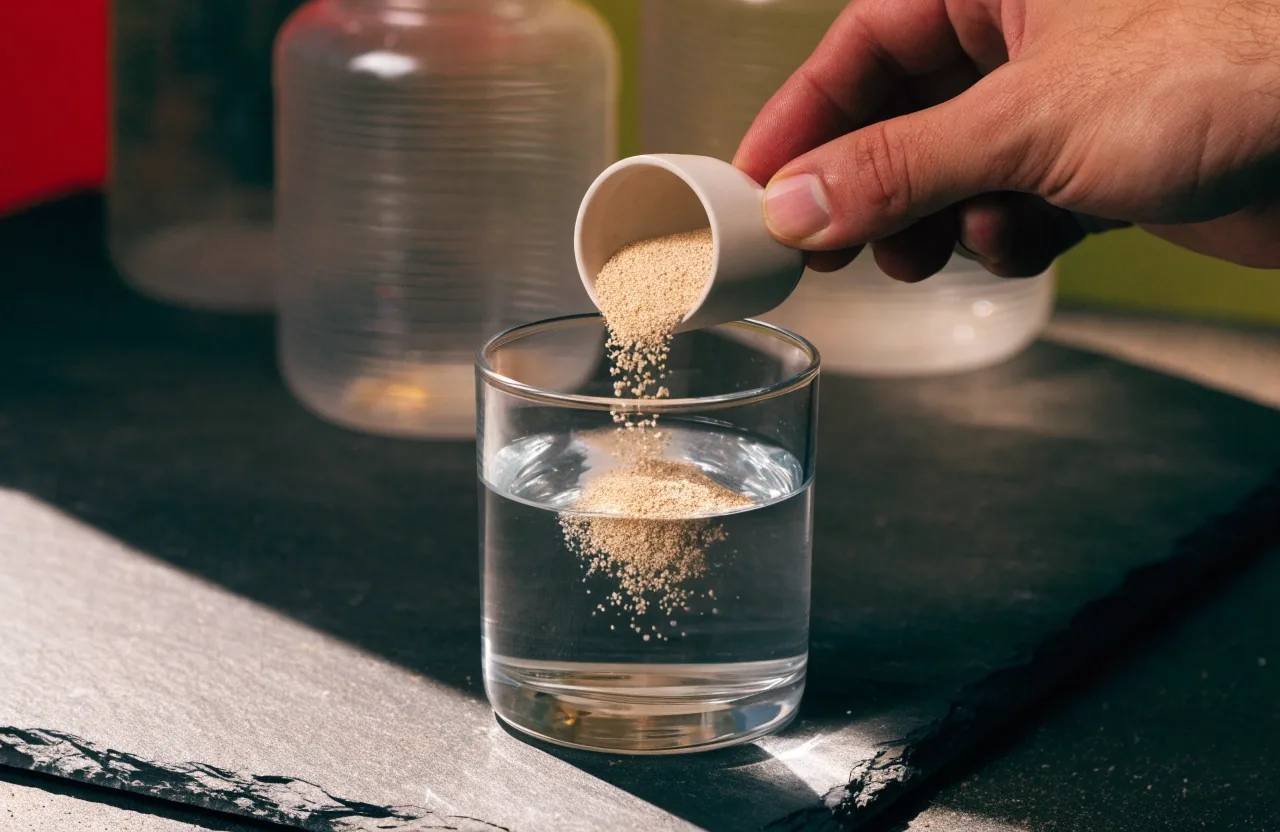
A hand holding granulated multivitamin powder above a linen tray in a dark studio
Daily essentials
Editorial desk with loose reference pages and a magnifier on linen cloth
Research desk
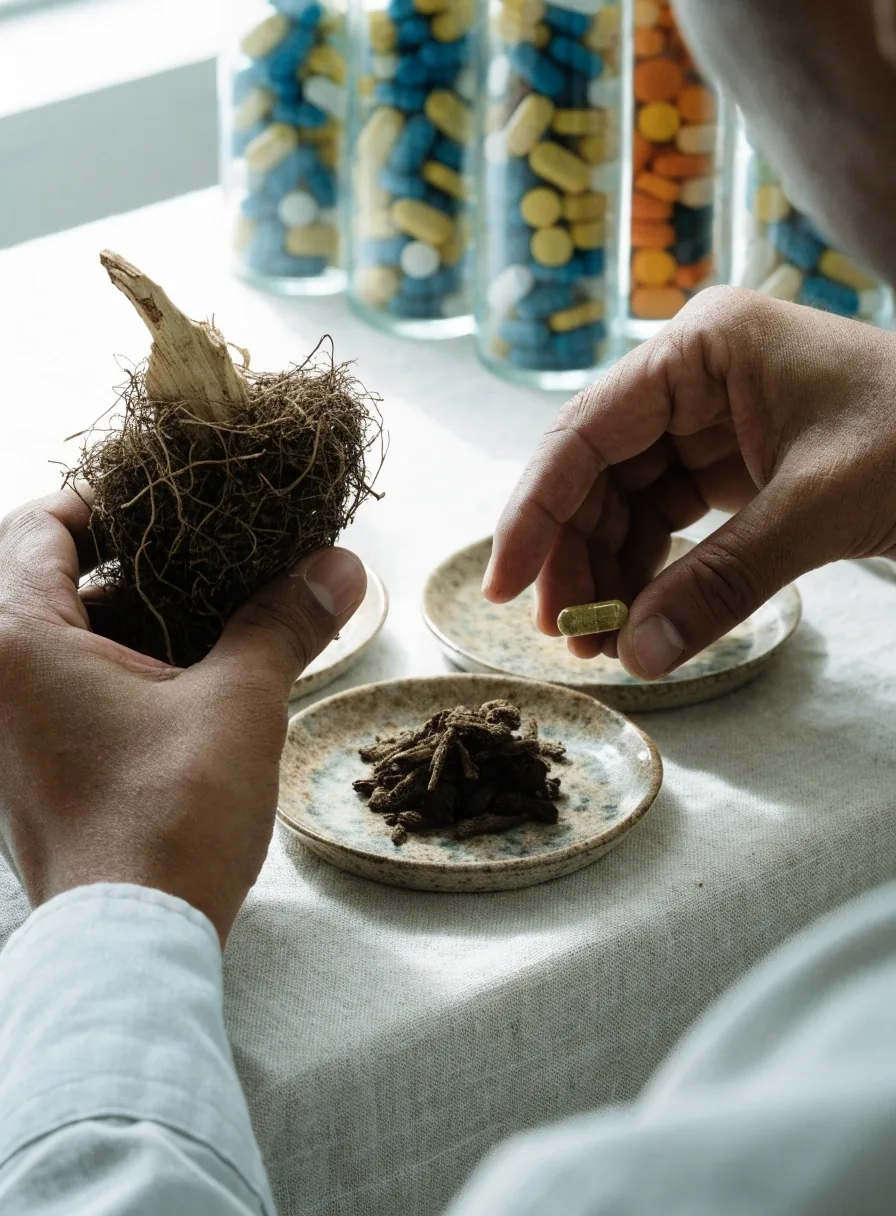
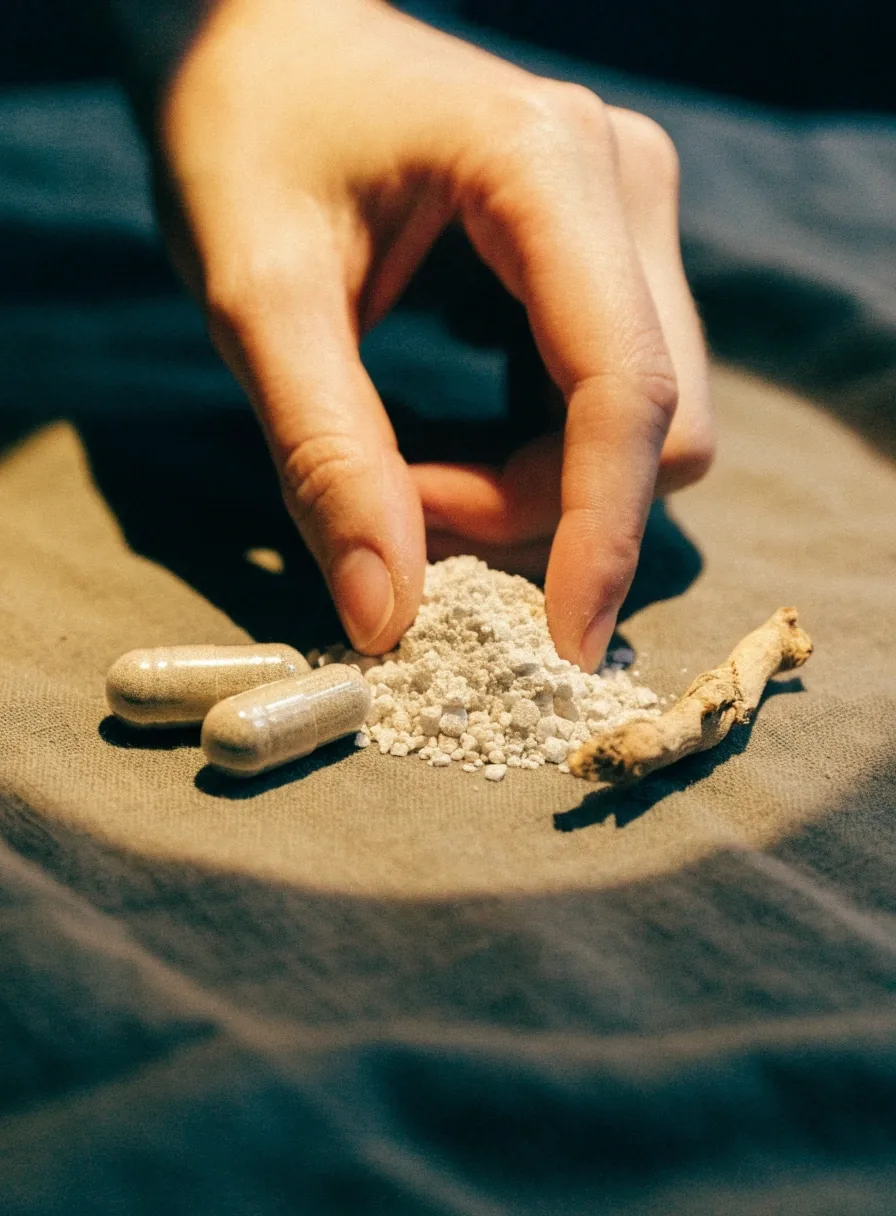
Mineral granules, capsules and a dried botanical root staged on dark linen
Ingredient panels
A noon-lit Jakarta studio bench with linen cloth, a drying tray and a plain white disk
Studio practice

Editorial independence · Jakarta

Who Runs NusaVita and How We Work

NusaVita is an independent editorial project based in Jakarta, focused on natural supplements for men. We are not a manufacturer, a distributor, or a marketplace. We write about what is on shelves, what labels say, and how mainstream health sources describe the same ingredients.

What this site is

Explainers and reference pages, not a shop

We publish nutrient overviews, ingredient profiles, category comparisons, and label-reading guides. That means you can move from a broad question — what does a men's daily formula usually contain? — to the parts that decide whether the label is worth reading in the first place. There is no cart, no affiliate link, and no page built to nudge you toward a purchase. If a page here reads like an advertisement, we have failed at the job.

The site exists because men's supplement shelves are crowded and the language on packaging is often more persuasive than informative. Our reference pages try to give you the vocabulary to push back on that.

Publisher
Independent editorial project
Based in
Jakarta, Indonesia
Coverage
Ingredients, labels, category comparisons
Not offered
Sales, rankings, personal medical advice

How we research

We read the reviewed sources first, then compare what they say

We start with what major health publishers say, because their material is usually reviewed by dietitians or medical editors before it is published. Healthline's men's multivitamin roundups, Harvard Health's supplement safety explainer, and broad health coverage from outlets such as ABC News are the type of source we read. Men's Health's long-running supplements guide sits in the same stack.

We read them in parallel rather than one at a time. When the sources disagree — and on doses, on useful combinations, on how much evidence sits behind an ingredient, they often do — we describe the disagreement instead of picking whichever version sounds more exciting. Because these are secondary sources, we treat them as starting points for a page, not as the page itself.

Sources we read

  • Healthline — men's multivitamin roundups and nutrient explainers.
  • Harvard Health — supplement safety explainers and dose cautions.
  • ABC News health coverage — broad reporting on trends and consumer questions.
  • Men's Health — the long-running supplements guide and its editorial notes.

Names of publications are cited as examples of the reading we do. They do not review or endorse this site.

What we check on every page

  • Ingredient names and their common forms on the label.
  • Whether amounts per serving are stated or hidden in a blend.
  • Where mainstream sources agree — and where they do not.
  • Practical context: format, serving convention, and typical use.
  • Language that overstates what a formula can do.
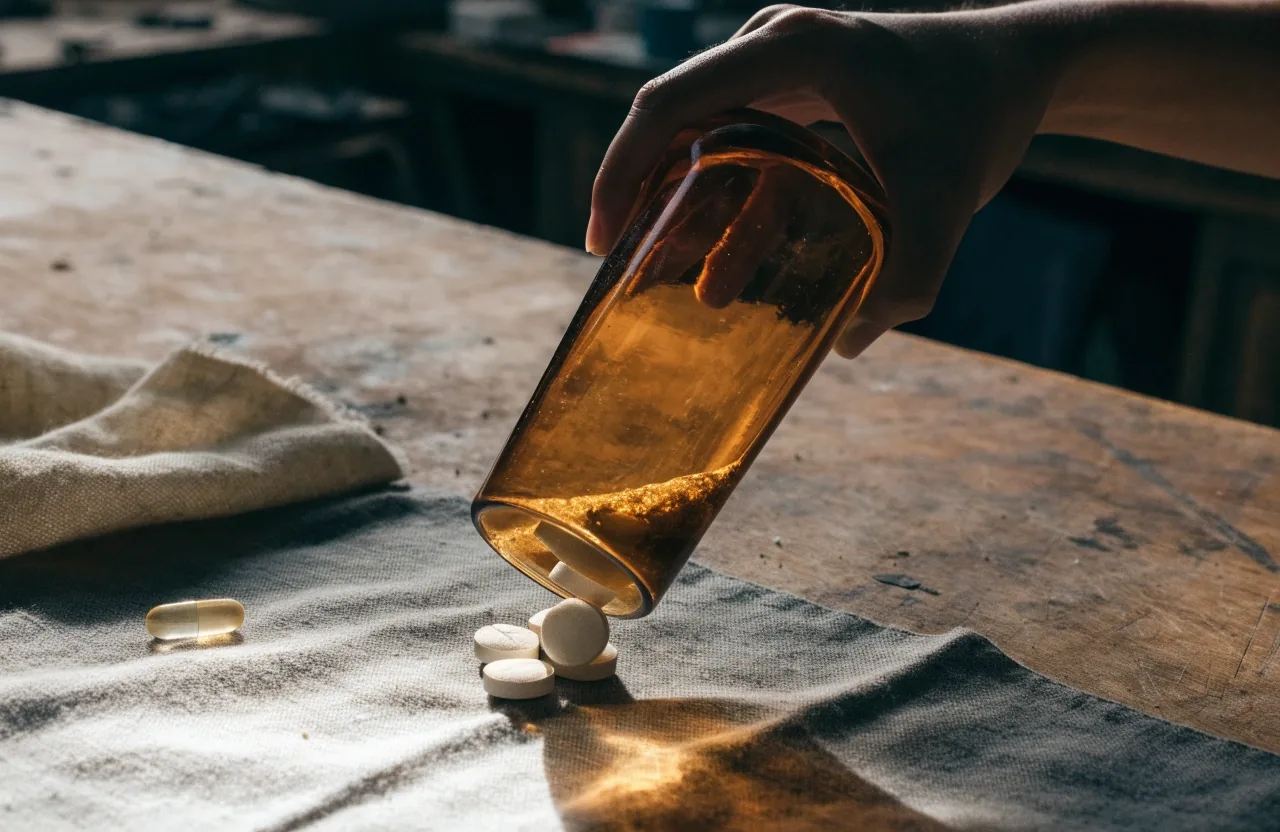
A hand tilting an unlabelled amber vessel so coated tablets roll onto dark linen

A typical men's daily formula, viewed as ingredient material rather than packaging.

Reading the label

Nutrient roles survive a change of product; slogans do not

It is more useful to know that B vitamins are tied to energy metabolism and red blood cell production than to memorize a brand name. The same goes for vitamin D, which shows up in men's vitamin formulas because of its role in bone health and immune function. Those are the facts that stay steady when a formula is reformulated, discontinued, or renamed.

Marketing slogans do not survive the next product cycle. Our pages try to teach the durable part: what a nutrient is generally described as doing, where it commonly appears in men's vitamin formulas, and what to look for on the panel. Once you have that vocabulary, you can read the next bottle on the shelf without starting over.

A working standard

The ingredient panel is the document we treat as primary

If a formula lists amounts per serving and names its botanicals, we note that. If it hides quantities inside a proprietary blend, we note that too. We do not assume a product is better because the label is longer, and we do not assume it is worse because the list is short. Transparency is a narrower question than length: does the label tell you what you actually need to know before you decide anything?

Amounts per serving

Numbers next to each ingredient, stated against the serving size you actually take. This is the first thing we read on any men's vitamin formula.

Named botanicals

A botanical blend that spells out its roots, extracts, or dried material is easier to check against what mainstream sources describe than one that does not.

Blends that hide amounts

A single weight for a whole group tells you the blend exists, not how much of each part is inside. We point that out rather than work around it.

Coverage

Categories and ingredient patterns, not promo SKUs

We cover a category and the ingredients inside it, not a specific bottle with a price tag or a sale sticker. That includes basic multivitamins, mineral complexes, botanical men's blends, and energy and endurance formulas.

We mention a real formula example only when it illustrates a pattern — such as a men's nutrients complex that pairs a wide vitamin and mineral range with maca and green tea. The example is there to make the pattern concrete, not to send you to a checkout.

Daily essentials
Multivitamin and mineral foundations, and the nutrients that appear most often in a men's vitamin formula.
Energy & endurance
Formulas that group B-complex and adaptogen-style botanicals with a stated serving pattern.
Botanical blends
Named roots, extracts, and dried material, and how a blend's phrasing shapes what you can actually check.
Label reading
How to read a serving column, a percentage reference, and the difference between a stated amount and a proprietary blend.
Lifestyle context
Where a supplement sits in a broader routine — sleep, training, and food first — treated as context rather than a headline.

Where the limits are

This is not a medical resource

We do not diagnose, treat, or assess your personal health situation. We do not claim that any supplement cures, prevents, or reverses anything. Several of the sources we read say plainly that the evidence for broad multivitamin benefits is limited, and we keep that view in front of the reader instead of softening it.

If you take prescribed medication or manage a condition, a qualified healthcare professional is the right person to ask — not this site, and not a product page.

Corrections

Send us the page and the correction

If you spot an error in a nutrient description, an ingredient origin, or a registration reference, write to [email protected] and quote the page title with the correction. Accurate reference pages are the point of the site.

We review, update, and note the change where it matters. We would rather fix a mistake than defend it.

The editorial office

How to reach us

The editorial office is at Jl. Jend. Sudirman No. 52, Senayan, Kebayoran Baru, Jakarta Selatan, 12190. You can call +62 21 5296 0375 during business hours, Monday to Friday, 09:00–18:00, or email [email protected] at any time.

We answer questions about our coverage, accept corrections, and respond to partnership inquiries from Indonesian brands and publishers. We do not provide medical advice, and we will say so if your question needs a clinician instead of an editor.

Address
Jl. Jend. Sudirman No. 52, Senayan, Kebayoran Baru, Jakarta Selatan, 12190
Telephone
+62 21 5296 0375
Hours
Monday to Friday, 09:00–18:00
A linen-lined reference shelf with a botanical tray, a porcelain dish and a stack of blank cards

What we are trying to build

A library that stays useful after a product cycle ends

Formulas change, brands come and go, and marketplace tags shift. What stays constant is the underlying nutrient and botanical vocabulary. If NusaVita becomes the page a Jakarta reader opens while standing in a pharmacy aisle, trying to parse a label, that is the outcome we are working toward. Nothing more ambitious than that.

Common questions

Before you write to us

Does NusaVita sell supplements?

No. We are an editorial and reference site. We do not sell products, run a store, or operate affiliate links. Men's health support here is written coverage, not commerce.

Can NusaVita tell me which supplement to take?

No. We explain ingredients and labels, but we do not give personal medical advice. A qualified healthcare professional is the right resource for that decision.

How do you choose which topics to cover?

We follow what readers ask about and what mainstream health sources are discussing. Men's daily essentials, energy and endurance formulas, and ingredient profiles are the current focus.

Start with the ingredients, not the label